
Wellness Room Decor: A Practical Planning Guide
A step-by-step way to define the room, choose flexible floor seating and build a coordinated textile palette without overcrowding the space.
September 26, 2026 · 7 min read
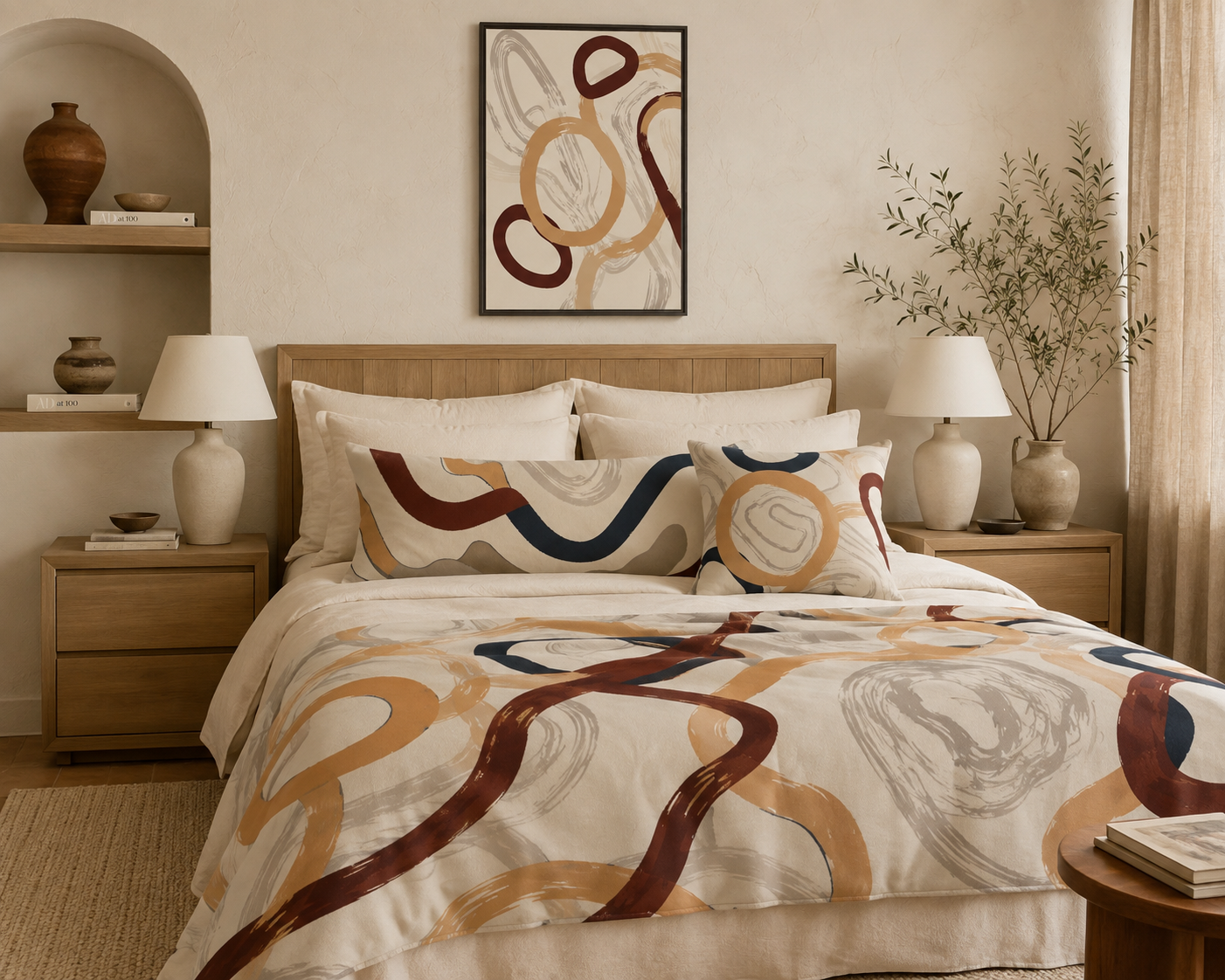
A wellness room can be a dedicated studio, a quiet multipurpose room or a defined area within a larger interior. The useful starting point is not a decorating trend but the activities the space needs to support. Once you know whether the room is for individual floor seating, small group sessions, reading or quiet breaks, you can choose furnishings at the right scale.
Define the room before choosing the decor
Write down the main activity, the maximum number of people who may use the space and the path they need to enter and move through it. Measure the usable floor area after accounting for doors, storage and any fixed furniture. This prevents decorative pieces from occupying space that the room needs to function.
For a flexible room, plan around items that can be moved or stored easily. A floor cushion can create a clear seating place without determining the entire layout, while a pillow or throw can add color without introducing another large piece of furniture.
Plan the floor seating first
Floor seating establishes the footprint of the arrangement, so choose it before smaller accents. Mark each planned cushion on the floor with paper or painter's tape and leave a consistent route around the group. For a personal room, one cushion may be enough. For a studio or shared space, calculate the full layout rather than multiplying a single cushion dimension without allowing circulation.
Moonhac's floor cushion guide explains how to compare scale for an individual space, while the studio quantity guide covers layout planning for larger orders. Both can help you decide what the room can accommodate before buying.
Build a restrained textile palette
Choose one primary visual direction, then repeat selected colors rather than every motif. A decorative pillow can introduce a smaller accent, and a throw can connect that accent to another part of the room. Keeping some surfaces quiet gives the floor seating and artwork enough visual space.
If you prefer to compare complete palettes, Moonhac's coordinated rooms show how pillows, blankets, floor cushions and wall decor can relate across one interior. Use those rooms as a reference, then select only the pieces your space actually needs.
Choose decor by function
- Floor cushions define flexible seating and should be planned from measured floor space.
- Decorative pillows add a smaller layer of color or pattern and can be moved between seating areas.
- Throws connect the palette and can be stored or folded when not in use.
- Wall art creates a focal point without reducing usable floor area.
- Open space is part of the design; avoid filling every wall, corner or surface.
Plan shared or professional spaces carefully
For yoga studios, retreats, wellness rooms and interior projects, document the room dimensions, intended quantity and preferred collection before placing a larger order. Moonhac's Wholesale & Trade page provides the commercial route for project inquiries and links to the relevant planning guides.
Do not assume that a larger quantity automatically creates a more complete space. A successful shared room needs clear spacing, a consistent visual direction and enough flexibility for the activities it hosts.
A simple order of decisions
- Measure the usable room and identify circulation paths.
- Choose the primary activity and maximum occupancy.
- Plan floor seating at full scale.
- Select one collection or coordinated palette direction.
- Add pillows, throws or art only where they serve a clear visual or practical role.
- Review the complete arrangement before ordering.
The strongest wellness room decor feels considered because every piece has a reason to be there. Begin with the floor plan, establish the seating and then layer color, pattern and artwork gradually. This approach works for a small personal corner as well as a larger professional space.
Explore Moonhac
Frequently asked questions
What should I buy first for a wellness room?
Start with the primary activity and measured floor plan. If the room uses floor seating, choose and position the floor cushions before selecting smaller decorative accents.
How do I keep a wellness room from feeling crowded?
Preserve clear circulation paths and visible open space. Choose one primary palette, then add only the pillows, throws or artwork that support the room's intended use.
Can a wellness room also be a reading or multipurpose space?
Yes. Flexible floor seating and movable textiles can support more than one use when the layout leaves enough clear space for each activity.
Where can studios request help with larger Moonhac orders?
Studios, retreats and interior projects can use Moonhac's Wholesale & Trade page to review project information and contact the team.
Create a calmer place to land
Explore made-to-order floor cushions and home accents designed for intentional spaces.
Shop Moonhac