
How to Choose a Meditation Floor Cushion for Your Space
A practical guide to choosing floor seating that fits your body, your room and the way you actually plan to use it.
September 10, 2026 · 7 min read
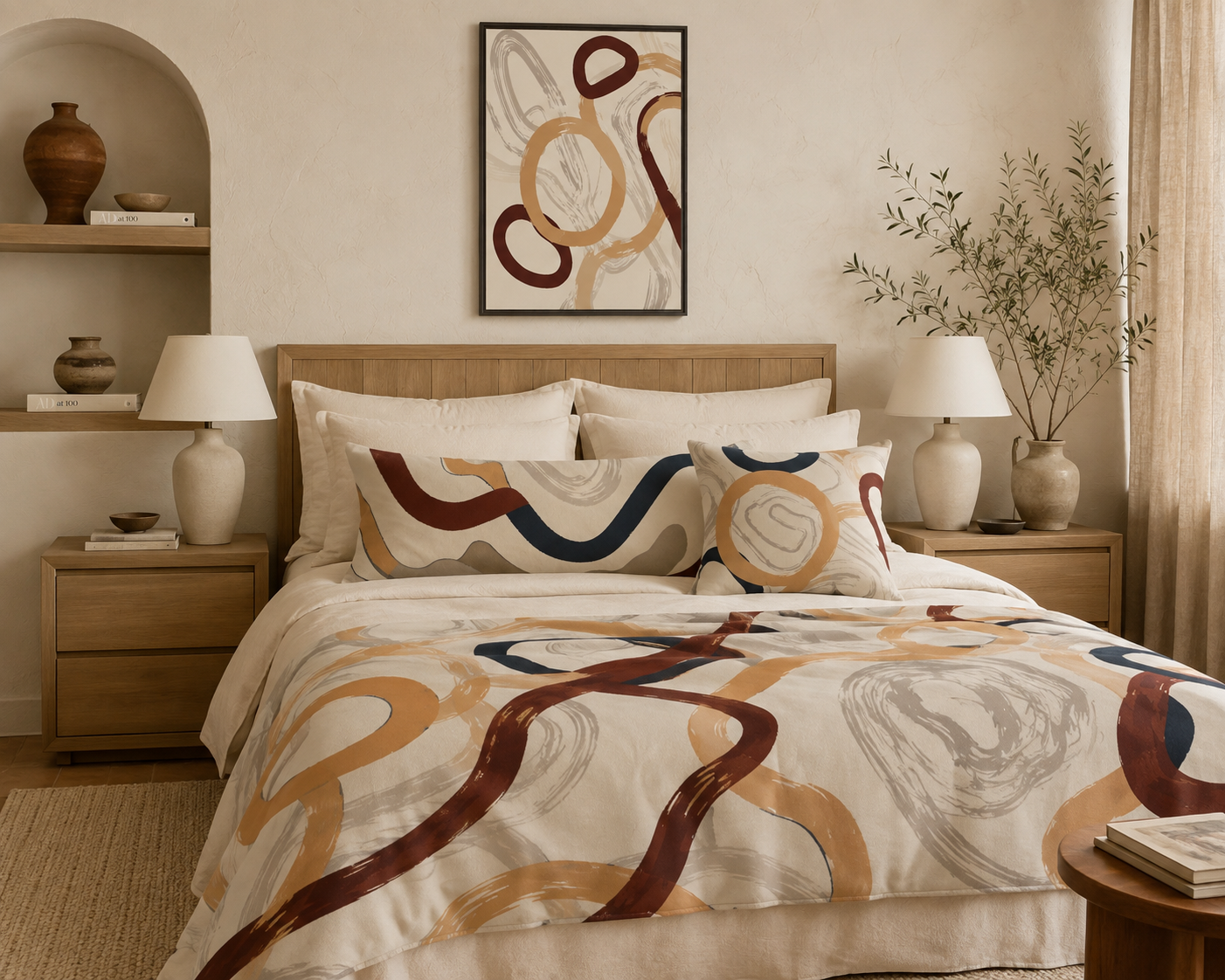
A meditation floor cushion should do more than match a room. It needs to give you enough space to settle comfortably, work with the way you sit and feel natural in the place where you will use it. The best choice is not necessarily the largest or firmest cushion; it is the one that supports your routine without making the room feel crowded.
Start with how you plan to use the cushion
Before comparing colors or patterns, decide whether the cushion will be used mainly for meditation, casual floor seating, a reading corner or shared studio sessions. A cushion used for a short daily practice has different priorities from one that also serves as flexible seating when friends visit.
- For a personal meditation corner, prioritize a stable surface and a footprint that leaves room around your knees.
- For reading or relaxed floor seating, a more generous diameter gives you greater freedom to change position.
- For a yoga or wellness studio, consistent sizing makes rows easier to arrange and store.
- For decorative use, consider how the cushion relates to nearby rugs, low tables and other textiles.
Choose the diameter by measuring the room first
Moonhac floor cushions are offered in 26-inch and 30-inch sizes. A 26-inch cushion is easier to place in compact meditation corners, beside a bed or near a low table. A 30-inch cushion creates a more substantial seat and works well in open rooms, reading areas and studios where the cushion can remain part of the layout.
Use painter's tape to mark a 26-inch or 30-inch circle on the floor before ordering. Sit inside the outline, then check the walking space around it. This quick test is more reliable than estimating from a product photo.
Think about support, not just softness
A floor cushion changes your relationship to the ground, but it does not need to force one posture. If you sit cross-legged, notice whether your knees can relax below or close to the level of your hips. If they remain lifted or you feel tension, pairing the cushion with a folded blanket or an additional support under the knees may feel more comfortable.
No cushion can guarantee comfort for every body or replace professional advice when pain is involved. The goal is to create a setup you can adjust rather than expecting one position to work for everyone.
Match the cushion to the visual weight of the room
Floor seating sits lower than conventional furniture, so pattern and contrast can help define the area. In a quiet neutral room, a restrained botanical or celestial motif adds a focal point without dominating the space. In a room that already contains artwork and patterned textiles, a simpler composition can keep the overall feeling calm.
Instead of matching every color exactly, repeat one or two tones already present in the room. Warm ivory can connect with a rug, muted olive with plants or upholstery, and soft clay with wood and sun-warmed accents. This creates cohesion without making the room look like a set.
Plan for one cushion or a coordinated group
One floor cushion can anchor a personal corner. Two can balance a reading area or create an easy place for conversation. For studios and shared wellness spaces, repeating the same design creates visual order, while mixing designs from one collection keeps the room coordinated with more character.
Leave enough space to move each cushion without shifting other furniture. If cushions will be stored between sessions, measure the storage area as carefully as the room itself.
A simple final checklist
- Confirm the intended use: meditation, lounging, reading or shared seating.
- Mark the diameter on the floor and test the surrounding clearance.
- Choose a design that repeats tones already present in the room.
- Check the product materials, dimensions and care instructions on the individual product page.
- For multiple cushions, plan the arrangement and storage before choosing quantity.
The right meditation floor cushion should make it easier to return to your space. When size, placement and visual tone work together, the cushion becomes part of the room rather than an object that needs to be moved out of the way.
Explore Moonhac
Frequently asked questions
What size meditation floor cushion should I choose?
A 26-inch cushion fits compact meditation corners and flexible layouts, while a 30-inch cushion offers a more generous seating surface for open rooms and relaxed floor seating. Mark both sizes on your floor before deciding.
Can a floor cushion be used as everyday seating?
Yes, a floor cushion can provide flexible seating for reading, conversation or quiet routines. Comfort depends on your preferred posture, the time you plan to sit and whether you use additional support.
How many floor cushions work well in a yoga studio?
The right quantity depends on the usable floor area, aisle clearance, class size and storage. Measure a complete row with the selected cushion diameter before placing a larger order.
How do I coordinate a floor cushion with my room?
Repeat one or two colors already present in the room and choose a motif with a similar visual weight. Coordinating tones is usually more natural than matching every element exactly.
Create a calmer place to land
Explore made-to-order floor cushions and home accents designed for intentional spaces.
Shop Moonhac